

May 3rd, 2025, began like any other day in Kigulya Ward, Masindi District, Uganda. Farmers tended their crops, families prepared meals, children played. By evening, everything had changed.
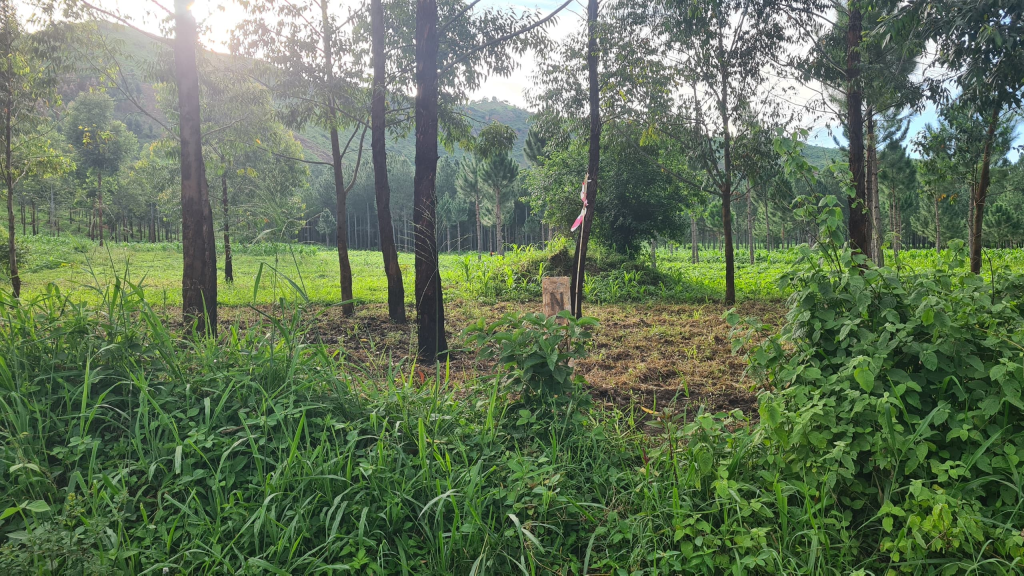
That morning, the National Forestry Authority (NFA) arrived with military escorts, dug trenches across private farmland, and planted boundary markers claiming over 100 farming households’ titled land for “forest conservation.” No consultation. No compensation. No regard for constitutional rights or human dignity.
Within hours, Agri Planet Africa was on local radio with village elders, speaking truth to power.
The Real Story Behind the “Conservation” Narrative
What began as seemingly sudden government action reveals a deeper pattern. Since 2015, government officials quietly offered alternative land to residents away from Kigulya Hill. By 2023, rumors circulated about mineral deposits beneath the contested area. Now, in 2025, “conservation” arrives with military force.
The math is simple: eucalyptus plantations don’t require armed escorts. Resource extraction does.
A Community Refuses to Be Silent
From that first day, the Kigulya community organized with remarkable speed and dignity:
- May 3, 2025: Immediate radio response with village elders
- May 2025: 500 people marched to petition the Resident District Commissioner
- July 2, 2025: Formed the Kigulya Private Land Protection Alliance (KPLPA) as a legally registered organization
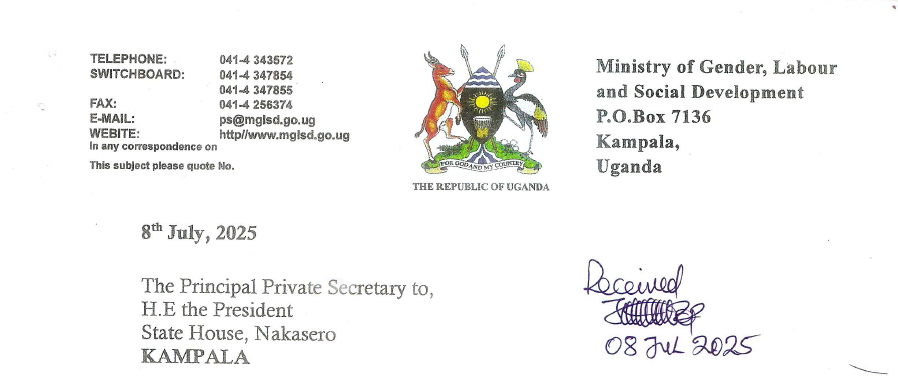
- July 8, 2025: Submitted formal petition to Uganda’s President
- August 2025: Still awaiting justice while crops remain destroyed and families face ongoing intimidation

Why This Matters Beyond Uganda
Land grabbing disguised as conservation is a global epidemic. Indigenous communities worldwide face similar tactics:
- Government agencies claiming “environmental protection”
- Military enforcement of dubious boundary changes
- International silence while local voices cry for justice
- Resource extraction masquerading as forest restoration
The Kigulya community’s response offers a blueprint for peaceful, legal resistance that other communities can adapt and use.
Constitutional Crisis in Uganda
The Kigulya case exposes a fundamental question: What good are constitutional protections if government agencies can ignore them with impunity?
Articles 26 and 27 of Uganda’s Constitution explicitly protect property rights and require due process before any deprivation. The community has government-issued land titles. They followed every legal channel, petitioning local officials, forming a registered organization, appealing to the President himself.
Yet crops remain destroyed. Families remain threatened. Justice remains delayed.
How Agri Planet Africa Responds to Crisis
Our mission extends far beyond agricultural training and community development. When our partner communities face injustice, we act:
Immediate Crisis Response
- Same-day media engagement through local radio
- Documentation and evidence preservation
- Legal support and organizational development
- International advocacy and awareness campaigns
Long-term Justice Work
- Coalition building with land rights organizations
- Media strategy connecting local voices to global audiences
- Legal pathway support through proper governmental channels
- Sustainable resistance that protects community leaders
Systemic Change Advocacy
- Policy research connecting patterns across similar cases
- International pressure through diplomatic and media channels
- Educational content helping other communities organize
- Economic impact documentation showing development costs of land grabbing
The Environmental Hypocrisy
Real conservation doesn’t destroy food security. The NFA’s actions in previously grabbed land show the true environmental impact:
- Native crop varieties replaced with monoculture eucalyptus
- Traditional agroforestry systems eliminated
- Soil degradation from heavy machinery and chemical inputs
- Water table disruption affecting surrounding communities
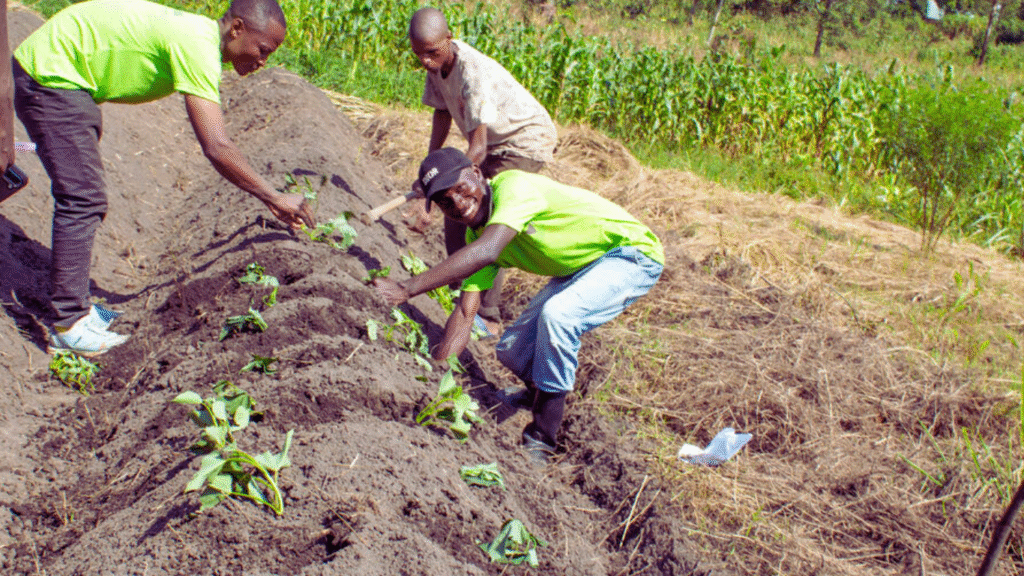
The Kigulya community practices sustainable agriculture that works with the environment, not against it. Their displacement serves extraction, not conservation.
International Solidarity in Action
Since May 3rd, support has grown from local radio to international networks:
- Regional media coverage expanding across Uganda
- African civil society organizations taking notice
- International land rights groups offering solidarity
- Diaspora communities amplifying the message
- Academic institutions documenting the case for policy research
This growth shows the power of persistent, principled resistance combined with strategic communication.
What Justice Looks Like
The community’s demands remain clear and reasonable:
- Immediate halt of all NFA boundary operations on titled private land
- Independent boundary verification by neutral surveyors
- Correct GPS coordinates reflecting actual legal boundaries
- Fair compensation for destroyed crops and lost livelihoods
- Transparent process with community representation at every step
These aren’t radical requests. They’re basic constitutional rights that any functioning democracy should protect automatically.
Moving Forward: The Next 30 Days
As we approach the fourth month since the initial land grab, momentum continues building:
Community Level
- KPLPA strengthening organizational capacity
- Documentation systems improving for evidence preservation
- Media relationships deepening for sustained coverage
- Legal strategy evolving based on government response patterns
National Level
- Presidential office pressure mounting through multiple channels
- Parliamentary attention growing through constituency pressure
- Media investigations expanding into broader land grabbing patterns
- Civil society coalitions forming around land rights issues
International Level
- Diplomatic engagement through embassy and trade relationships
- Academic research connecting Kigulya to global land grabbing trends
- Investor community attention on Uganda’s rule of law stability
- Development partner scrutiny of governance and human rights
How You Can Stand with Kigulya
Immediate Actions:
- Share this story across your networks
- Tag relevant media outlets and organizations
- Contact Uganda’s embassies in your country
- Follow @agriplanetafrica for live updates
Sustained Support:
- Donate to legal and organizational costs through Agri Planet Foundation
- Connect us with journalists covering land rights or African development
- Engage with content to boost algorithmic reach
- Join our advocacy email list for action alerts
Long-term Solidarity:
- Learn about land grabbing patterns in your own region
- Support policy research and advocacy organizations
- Engage with fair trade and ethical investment practices
- Build relationships with African civil society organizations
A Test for Uganda’s Democracy
The Kigulya case represents more than one community’s struggle. It’s a test of Uganda’s commitment to constitutional governance, rule of law, and basic human dignity.
President Yoweri Museveni’s response will signal whether peaceful, legal channels for justice actually work in Uganda—or whether communities must choose between submission and escalation.
The international community is watching. Investors are watching. Uganda’s own citizens are watching.
The Seeds We Plant Today
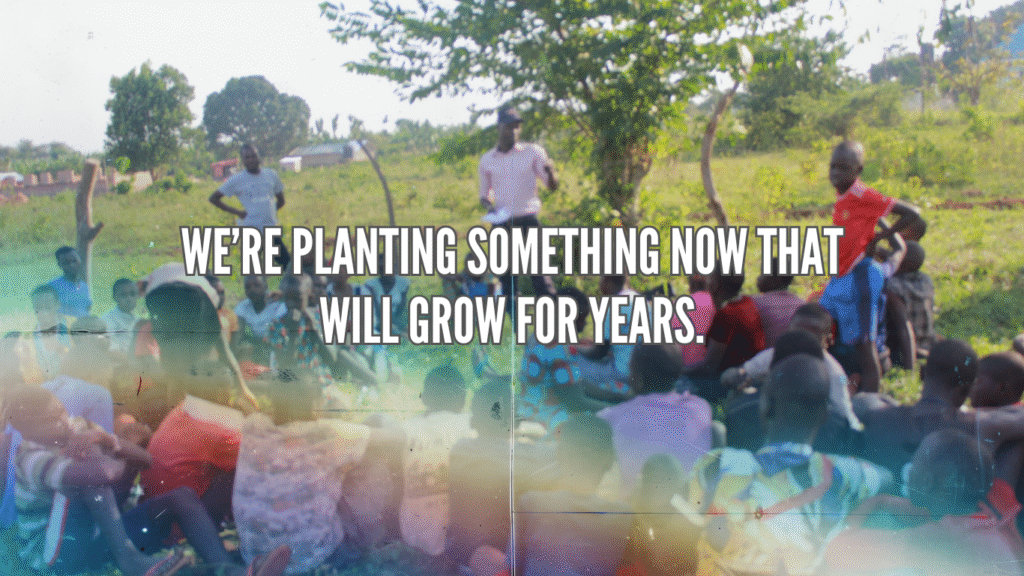
Every act of solidarity plants seeds for a more just future. The Kigulya community’s principled resistance, combined with growing international support, creates space for other communities facing similar injustices.
When we stand with Kigulya, we stand for the principle that constitutional rights must mean something real. We stand for the idea that communities should determine their own futures. We stand for justice that serves people, not just profit.
The story of Kigulya is still being written. Help us write an ending that serves justice.
For updates on the Kigulya land rights case, follow Agri Planet Africa on social media and subscribe to our newsletter. To support legal and organizational costs, donate through Agri Planet Foundation.
Learn more about our broader community development work at agriplanetafrica.org.