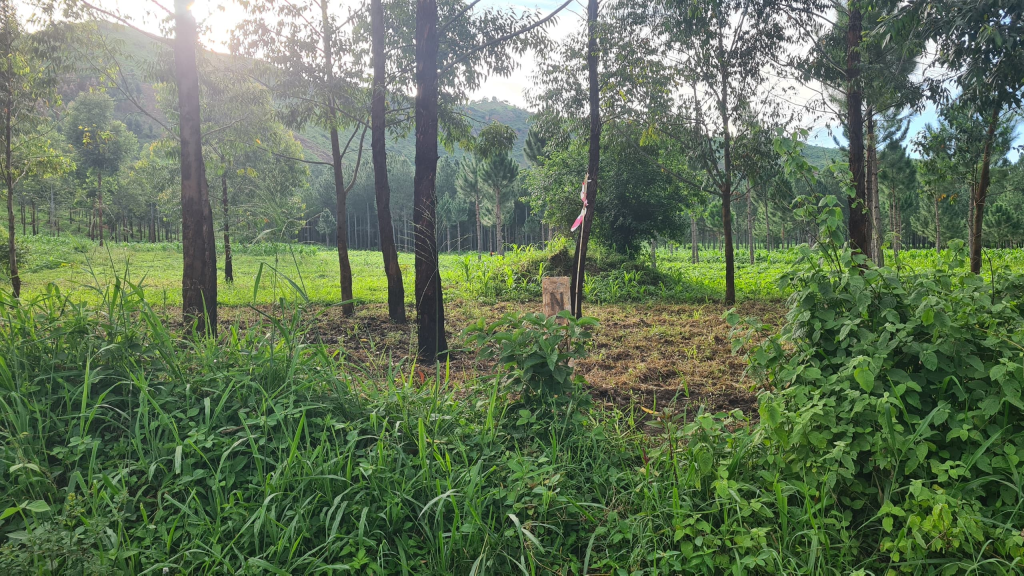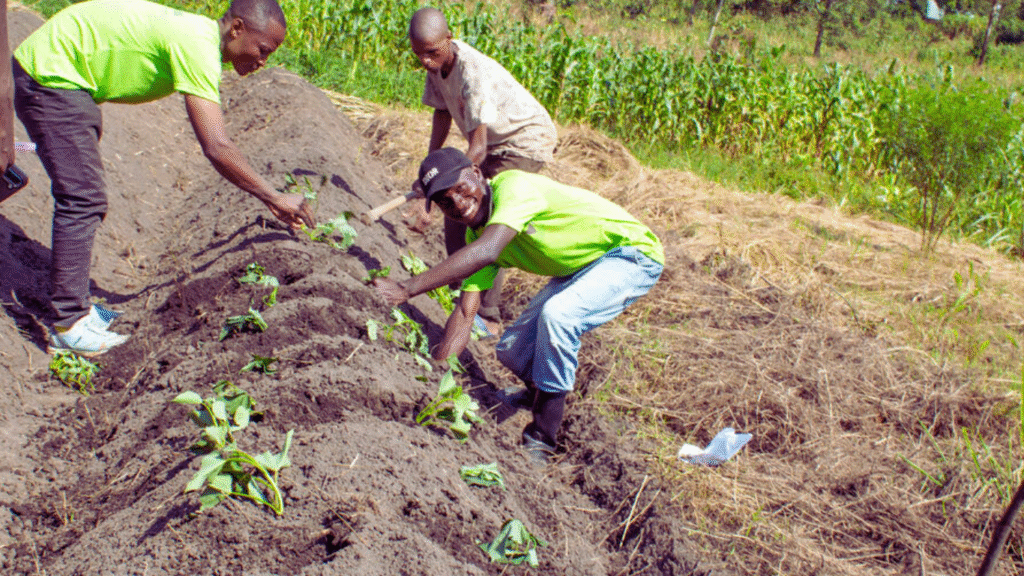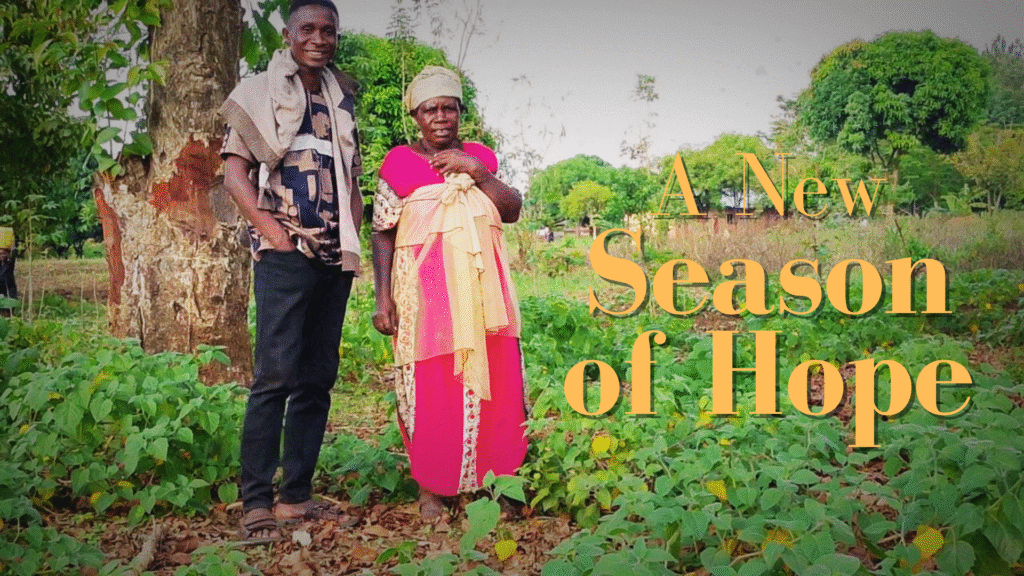


In western Uganda, the land has been parched for over four months. Crops have withered under the relentless sun. This dry spell, coupled with record-breaking heat between February and March, has left farmers struggling and communities grasping for alternatives.
While many staple crops like beans and vegetables have died out, climate-resilient plants like golden berries have endured—dormant but alive, awaiting the return of rain. Amid this challenge, a new kind of crop is taking root, one that doesn’t rely on seasons or rainfall: mushrooms.
A Crisis Deepens
Food insecurity is not a new issue in the region, but recent challenges have intensified its grip. After significant cuts in U.S. aid to Africa, refugee populations have been left with less food and fewer resources. Malnutrition is rising. So is poverty.


In desperation, some have turned to clearing sections of Bugoma Forest—Uganda’s third largest natural forest and home to chimpanzees and over 130 bird species—to create farmland. This deforestation is unsustainable and deeply threatens biodiversity and climate resilience.
A Collective Response: Roots of Resilience
In the face of these challenges, Agri Planet Africa joined forces with six local organizations—one of them refugee-led—to form a consortium called Roots of Resilience. Their mission: to empower refugee and host community women through climate-smart agriculture.
“We saw that something had to change,” said Ignatius Ahumuza, Co-Founder and CEO of Agri Planet Africa. “You can’t rely on handouts forever. Our communities need tools, not just food. This is about building dignity, resilience, and opportunity from the ground up.”

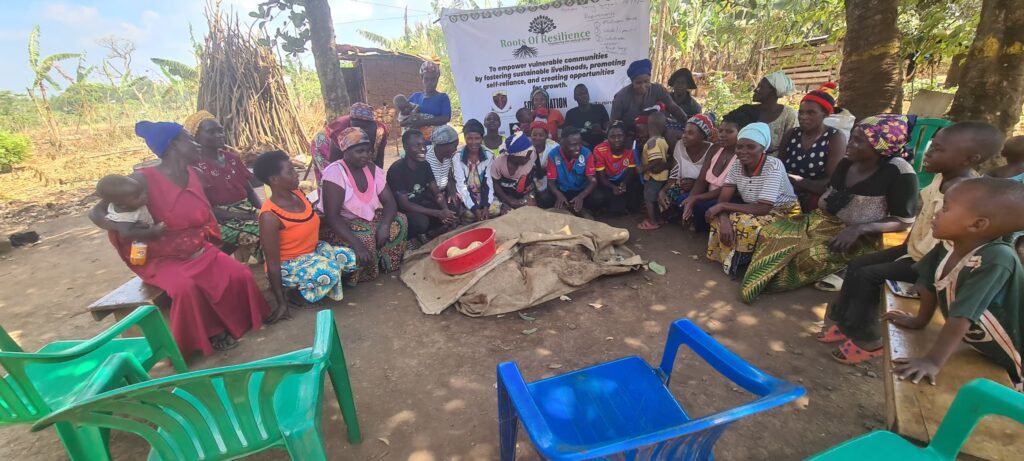
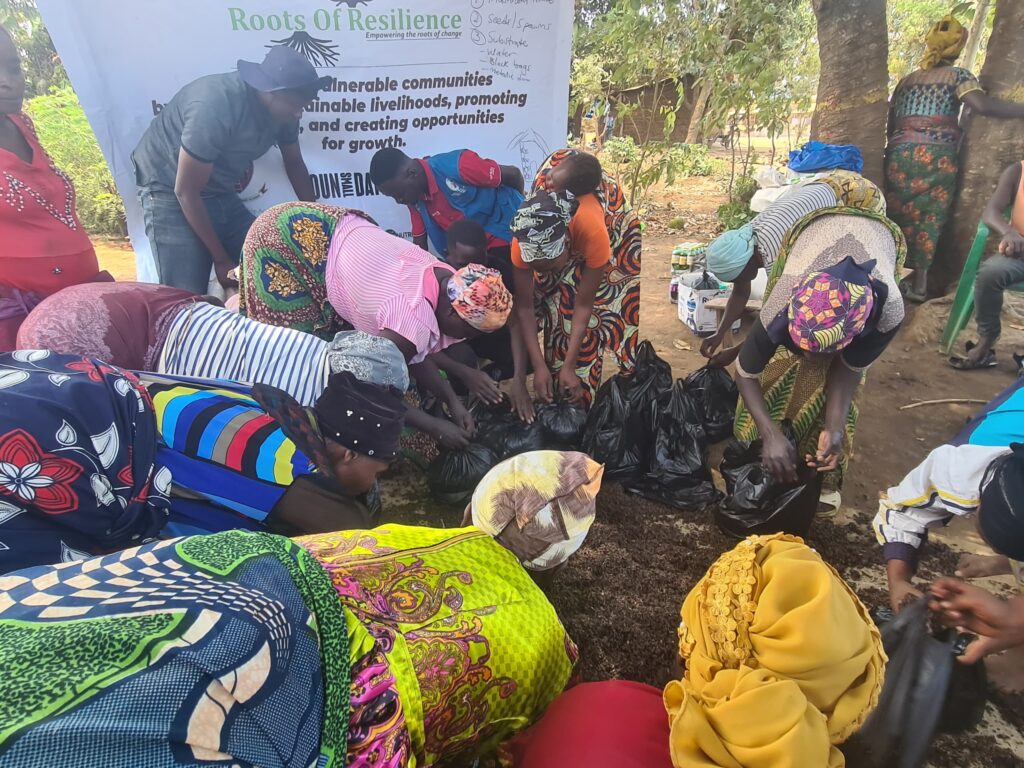
The Roots of Resilience consortium is now training women in Kyangwali to grow mushrooms using agricultural waste. These trainings began on International Women’s Day, symbolizing the start of something powerful and lasting. So far, three trainings have been conducted.
Each woman receives a start-up toolkit that includes mushroom spawn (seeds) and all necessary inputs to begin a home mushroom garden. Participants are also taught how to add value to their harvests, market their products, and prepare mushrooms in ways that preserve their nutritional benefits.
A Solution That Makes Sense
Mushroom farming offers several distinct advantages:
- Low land use: Mushrooms require minimal space and no deforestation.
- Climate resilience: They grow year-round, regardless of rainfall.
- Nutrition and income: Mushrooms provide food security and economic opportunity.
- Empowerment: The program equips women to be self-reliant leaders in their communities.
“The women in these trainings are not just learning a new skill,” said Janelle Nightingale, Executive Director of Agri Planet Africa. “They’re reclaiming their agency. They’re building livelihoods that can withstand climate change. They’re proving that resilience isn’t a buzzword—it’s a lived reality.”
Protecting Bugoma, One Garden at a Time
By providing an alternative to slash-and-burn agriculture, the mushroom initiative helps reduce the pressure on Bugoma Forest. The forest’s preservation is critical not just for biodiversity, but for the long-term well-being of the entire region.
This project also aligns with broader climate adaptation goals: protecting ecosystems, supporting marginalized communities, and building economic systems that regenerate rather than extract.
A Model for Sustainable Change
The Roots of Resilience consortium demonstrates what is possible when local leadership, community collaboration, and sustainable practices come together. It offers a model for addressing the complex, interconnected challenges of climate change, poverty, and food insecurity.
This is not a quick fix. It’s long-term work, rooted in community and fueled by hope.
And in Kyangwali, that hope is growing. Quietly. Powerfully. In the form of mushrooms.