

At Agri Planet Africa, we believe that agriculture is more than growing food—it’s about growing futures. One of the clearest examples of this mission in action is the Bukerenge Primary School Farm Project, a powerful community-led initiative rooted in resilience, education, and sustainable impact.
Why Bukerenge?
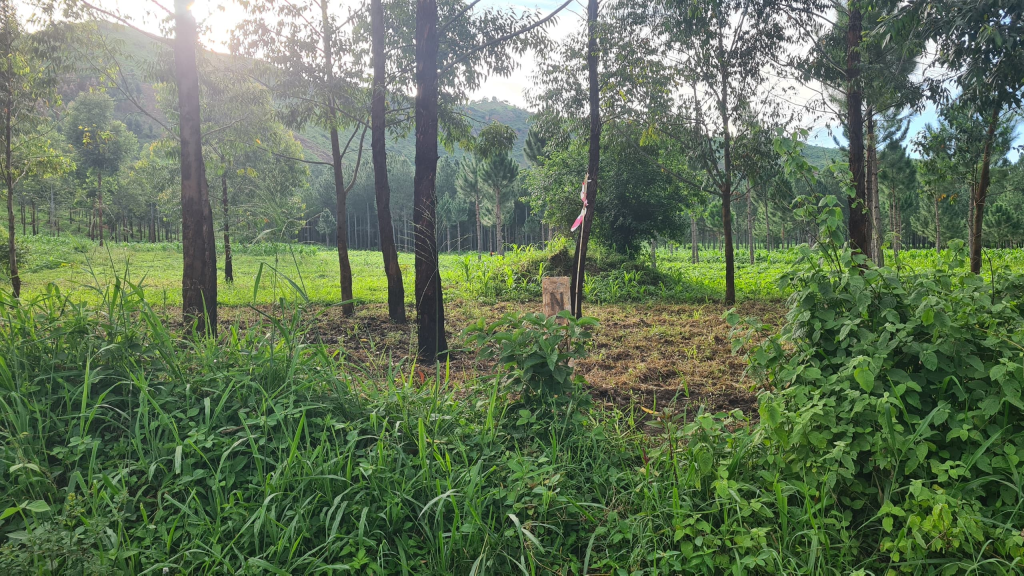
Bukerenge Primary School, established in 2000 in rural Uganda, has long faced challenges common to many underserved schools: high absenteeism, food insecurity, and limited practical learning opportunities. In early 2025, these challenges sparked action. Agri Planet Africa, together with the school, community groups, and partner organizations, launched a school farm to transform the educational environment.
A Collaborative Solution
On February 15, 2025, a planning meeting brought together 22 local stakeholders who committed to developing a 2-acre farm that would feed students and staff, teach agricultural skills, and generate income for the school.
The school provided the land. The PTA contributed maize seed and support from teachers. The School Management Committee offered funds for a protective fence and oversight. The RoseMarry Rapport Community Group contributed farming tools and labor. Teach For Uganda offered accommodations, coaching, and curriculum support.
Agri Planet Africa contributed golden berry seedlings and developed a structured training program for learners—complete with certification and long-term mentorship. We also committed to helping market the golden berry produce and support other farmers identified through the project.
Introducing the TasprL Model
As of March 7, 2024, activities on the school farm officially began. In tandem, Agri Planet Africa began developing and piloting a new methodology called TasprL (Training Agricultural Skills and Practices at the Right Level). TasprL is a scalable, learner-centered approach that aligns agricultural training with student readiness, making it more effective and replicable in other schools.
As co-founder Ahumuza Ignatius shared, “We are rewriting stories—from hungry learners to happy, nourished, and healthy learners.”
Budget and Community Ownership
The project has a budget of 1.89 million UGX (roughly $500 USD). Impressively, more than 55% of the total cost has already been covered through in-kind and financial contributions from the school and its community. While gaps remain for additional tools, compost, protective gear, and irrigation, Agri Planet Africa has pledged to help fill them where possible.
Impact Beyond the Farm
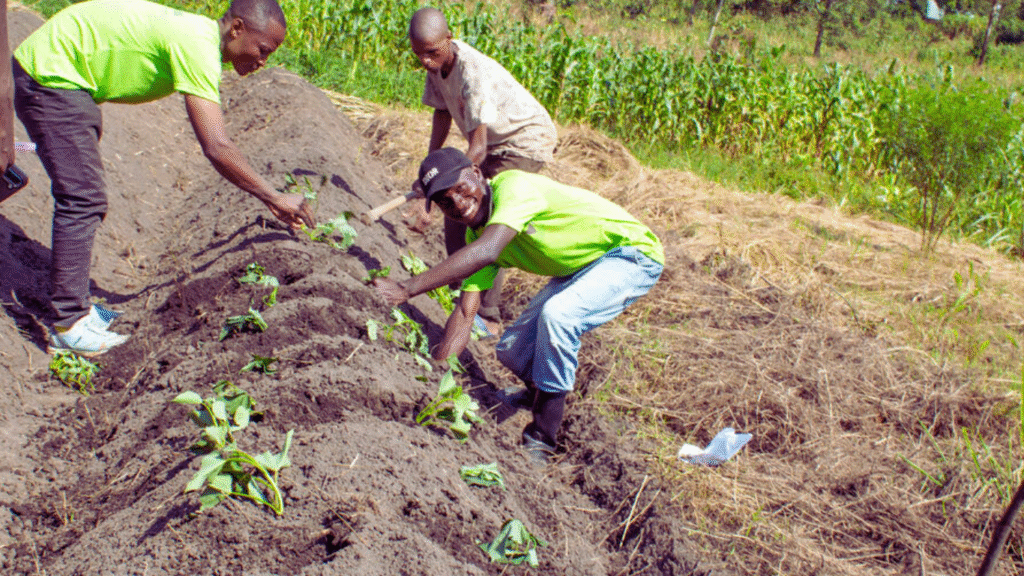
This is more than a garden. It’s a hands-on learning lab, a nutritional safety net, and a community development engine. Students are actively planting, learning, and taking ownership of their food system. Teachers are integrating agricultural principles into daily lessons. And the local economy will benefit through market connections.
As learners grow vegetables and golden berries on-site, they also grow confidence, knowledge, and vision for a better future.
What’s Next?
Agri Planet Africa will continue documenting outcomes and refining the TasprL model with the goal of scaling it across Uganda. We invite collaborators, educators, donors, and changemakers to walk alongside us.
Together, we can grow futures—from the ground up.
“I encourage all who believe in the power of community-led change to support the work of Agri Planet Africa. We’re currently establishing a foundation that will allow us to accept financial support through all major credit cards—something that has been a challenge in the past, but one we’ve now found a solution for. I hope you’ll follow along and support us when the new platform becomes available. Together, we’re growing futures, one seed at a time.”
— Janelle Nightingale, Executive Director